

Understanding Radon:
A Hidden Cause of Lung Cancer
Each year, approximately 20,000 Americans die from radon-induced lung cancer.
Keep your family safe. Test your home today.

The LiveLung Radon Project
Harrisonburg, VA
Radon Levels in the Shenandoah Valley
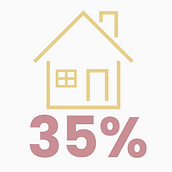
According to the Virginia Department of Health, approximately 35% of homes in the Shenandoah Valley have radon levels above the EPA’s action level of 4.0 pCi/L, making elevated exposure far more common here than in many parts of the country. In fact, the county’s average radon level sits at 4.5 pCi/L—more than triple the national average of 1.3 pCi/L. Virginia’s unique geology naturally produces increased radon levels statewide. For residents of the Shenandoah Valley, this means that testing your home isn’t just a precaution—it’s a vital step in protecting your household from a proven cause of lung cancer.

What is Radon?
-
Radon is a naturally occurring radioactive gas that seeps into buildings, including homes, schools, and offices, from the ground.
-
It's odorless, colorless, and tasteless— detectable only through testing.
-
Radon is the second leading cause of lung cancer in the U.S., following smoking.

Interpreting Radon
Test Results
-
Below 2.0 pCi/L: Low risk.
-
2.0 – 3.9 pCi/L: Moderate risk; consider mitigation.
-
4.0 pCi/L and above: High risk; mitigation strongly recommended.

What is Radon Mitigation?
-
Radon mitigation involves reducing radon levels in homes.
-
The most common method is sub-slab depressurization, which uses a vent pipe system and fan to draw radon from beneath the house and vent it outside.
-
Sealing cracks and improving ventilation are also effective strategies.
Where to Find Us
Meet the team, learn how radon impacts our region, and pick up your free radon test kit.
December 13
Radon Awareness, Education, and Test Kit Giveaway
Saturday, December 13, 2025
10:00 am-2:00 pm
Massanutten Regional Library, Main Meeting Room
174 S Main St, Harrisonburg, VA 22801
January 13
Radon Awareness, Education, and Test Kit Giveaway
Tuesday, January 13, 2026
4:00 pm-7:30 pm
Massanutten Regional Library, Main Meeting Room
174 S Main St, Harrisonburg, VA 22801
January 14
Radon Awareness, Education, and Test Kit Giveaway
Wednesday, January 14, 2026
10:00 am-2:00 pm
Massanutten Regional Library, Main Meeting Room
174 S Main St, Harrisonburg, VA 22801
January 17
Radon Awareness, Education, and Test Kit Giveaway
Saturday, January 17, 2026
10:00 am-2:00 pm
Massanutten Regional Library, Main Meeting Room
174 S Main St, Harrisonburg, VA 22801
What is Radon?
Radon is a radioactive gas that is naturally released in the air from rocks and soil. Radon is in the air outside and can build up to dangerous or deadly levels inside homes and other buildings.
According to the U.S. Centers for Disease Control & Prevention, there is no known safe level of radon; however, aiming for the lowest achievable radon level in your home will reduce your risk of harmful health effects, primarily, lung cancer.
How do I protect myself and my family from radon?
Radon is the second leading cause of lung cancer. Radon is the number one cause of lung cancer in people who never smoked. For people with a history of smoking, radon exposure can significantly increase their lung cancer risk.
Because radon is colorless and odorless, the only way to know if it’s present is through testing.
The good news? Testing is simple, low-cost, and many states offer resources to help with both testing and fixing high levels, if needed.
Who is Impacted by Lung Cancer?
Diagnosed in 2015, Jackie Nixon first noticed something was wrong when she began struggling to sing. Concerned, she consulted her doctor. That’s when Jackie received a diagnosis that would change her life: lung cancer.
Following her treatment recovery, Jackie dedicated herself to advocating for those impacted by lung cancer, raising awareness of its risk factors, and promoting the importance of early detection and radon mitigation.
Learn More and
Test Your Home.
Radon is the second leading cause of lung cancer and can increase lung cancer risks for people who smoke. Because it’s colorless and odorless, the only way to know if it’s present is through testing.
The good news? Testing is simple, low-cost, and many states offer resources to help with both testing and fixing high levels if needed. Here are some resources that can help you protect yourself, your family, and even your pets from radon.
LiveLung Meetings

LiveLung has a growing network of virtual and in-person educational lung cancer patient meetings. Learn from experts and other lung cancer survivors while enjoying a meal together. Meetings are free and open to everyone impacted by lung cancer, including patients and the people who care about them.


Citizens for Radioactive Radon Reduction

A comprehensive suite of resources aimed at raising awareness and combating the dangers of radon gas exposure. Key resources include educational materials like the Radon School Calendar, CR3 News Magazine, and opportunities for community involvement through membership, volunteering, and donations .
Real Estate Guide for Radon in the Home

This guide for home buyers and sellers outlines best practices for testing a home for radon, explains the different types of tests available, and offers recommendations for what to do if elevated radon levels are found. It also includes a helpful checklist of steps to take before, during, and after testing.
Premier Youth Ambassadors (PYA) for Radon Reduction

The Premier Youth Ambassadors (PYA) for Radon Reduction program aims to develop young adults from across the country who have a strong sense of responsibility and a commitment to their communities regarding radon gas testing, mitigation, and education.
The Link Between Radon & Lung Cancer

Learn about radon, its connection to lung cancer, and what to do if elevated radon levels are detected in your home in this feature on lungcancer.net written by LiveLung's founder Dusty Donaldson.

The LiveLung Pittsburgh Radon Project
Recognizing the urgent need in the Pittsburgh area—where elevated radon levels and a diverse population with unequal access to health resources intersect—LiveLung is partnering with Citizens for Radioactive Radon Reduction (CR3) to launch the Pittsburgh Radon Project. This 2025 community-driven initiative is designed to increase awareness of radon’s link to lung cancer, distribute free home testing kits to Pittsburgh area residents, connect individuals with low-cost mitigation services, and offer educational support for lung cancer patients and their care partners.

Radon in the Home in Allegheny County
A high-level overview of radon in the home, including why testing is important and how Allegheny County residents can access free radon test kits. Find general guidance on what to do if elevated radon levels are detected and links to additional resources for testing and mitigation.